Safety Practices Required in Aggregate Crushing
Blogs
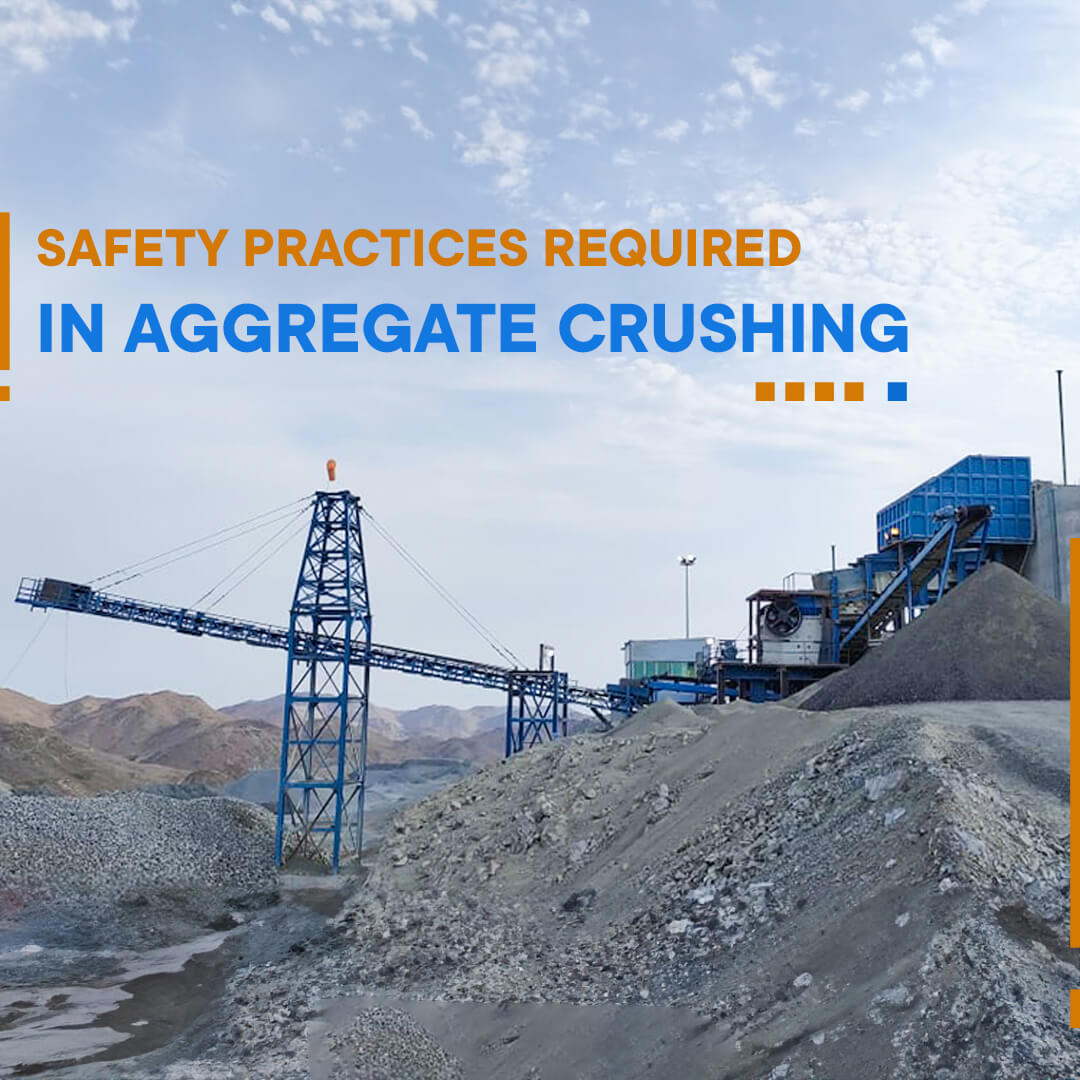
Safety is of utmost importance in aggregate crushing operations. The potential dangers associated with the use of crushers make it important for employers and employees to prioritise safety practices. In this blog post, Puzzolana will discuss important safety practices that should be implemented in aggregate crushing plants.
Understanding and implementing safety practices helps employers create a safe work environment and minimise the risk of accidents and injuries. In addition, employees are better prepared to recognise potential hazards, follow safety guidelines and promote an overall workplace safety culture.
Hazard Identification and Risk Assessment
The first step to ensure the safety of crushing is the identification of potential hazards and a comprehensive risk assessment. Employers should assess the work environment, equipment and tasks involved in crushing operations to identify potential risks. This assessment helps to implement preventive measures and develop effective security procedures.
Equipment Custody and Lockout/Tagout Procedures
Proper guarding of machinery and equipment is critical to protecting workers from moving parts and potential entrapment hazards. Implementing effective safety measures and ensuring proper equipment maintenance can significantly reduce the risk of accidents. In addition, lockout/tagout procedures must be established and followed to ensure that the machine is de-energized and isolated during maintenance or repair work.
Adequate Training and Supervision
Proper training is essential for all personnel involved in crushing operations. Employers must provide thorough training in equipment use, safety procedures and hazard identification. Employees must be familiar with emergency protocols and understand the proper use of personal protective equipment. Regular supervision and performance monitoring is also critical to ensure that employees are following safety practices and that potential safety issues are addressed promptly.
Anti-Dust Measures
Dust is a common hazard when crushing aggregates, and prolonged exposure can cause respiratory problems. Effective dust control measures such as dust extraction systems, ventilation and the use of water jets can minimize the generation and inhalation of dust particles. If necessary, workers must also be provided with appropriate respiratory protective equipment.
Fall Protection and Working at Heights
In certain situations, employees may need access to elevated areas or work at heights during maintenance or repair work. Appropriate fall protection equipment such as harnesses, ropes and railings are very important to prevent falls and protect worker safety. Adequate training and supervision for working at heights should be provided to ensure proper use of fall protection systems.
Emergency Preparedness and Response
Developing and implementing emergency plans is critical in aggregate crushing operations. Employers must establish clear evacuation procedures, designate emergency assembly areas and provide training on emergency protocols. Adequate first aid supplies and trained personnel should be readily available, and personnel should be trained in basic first aid and cardiopulmonary resuscitation techniques.
FAQ’s
Why is safety important in aggregate crushing?
Safety prevents accidents, protects workers from hazards, and ensures crushing operations run smoothly without injuries or downtime.
What are the common hazards in aggregate crushing plants?
Hazards include moving machinery parts, dust exposure, noise, slips, trips, falls, and risks during maintenance and equipment repair.
What is Lockout/Tagout (LOTO) in crushing operations?
LOTO ensures machines are fully de-energized and isolated before maintenance, preventing accidental start-up and worker injuries.
How can dust exposure be reduced in crushing plants?
Dust can be controlled using water sprays, extraction systems, ventilation, and by providing workers with proper respiratory PPE.
What safety training is required for crushing plant workers?
Workers must be trained in equipment handling, hazard identification, emergency procedures, PPE usage, and working at heights protocols.
Conclusion
Safety practices are central to aggregate crushing to protect worker welfare and create a safe work environment. Employers can reduce potential risks and improve safety by implementing hazard identification, equipment guarding, lockout/tagout procedures, proper training, dust control measures, fall protection and emergency preparedness. Employees must actively participate in safety programs, follow established procedures and promptly report any safety concerns. Through cooperation and a strong safety culture, the aggregate crushing industry can maintain a safe and healthy work environment and ensure the well-being of its employees.
View our expansive machinery
With Puzzolana, you have the chance to work with the brightest professionals in the field and be a part of our expanding global footprint. We are looking for motivated professionals to join our team.
